If you’re considering expanding your home in Tampa Bay, one of the first questions you’re likely asking is: Do I need a permit? The short answer is yes — in most cases a permit is required for a home addition in Hillsborough County, FL. At ANM Contracting we help homeowners navigate the process so their project meets code, stays on schedule, and avoids costly delays.
What Counts as a “Home Addition”?
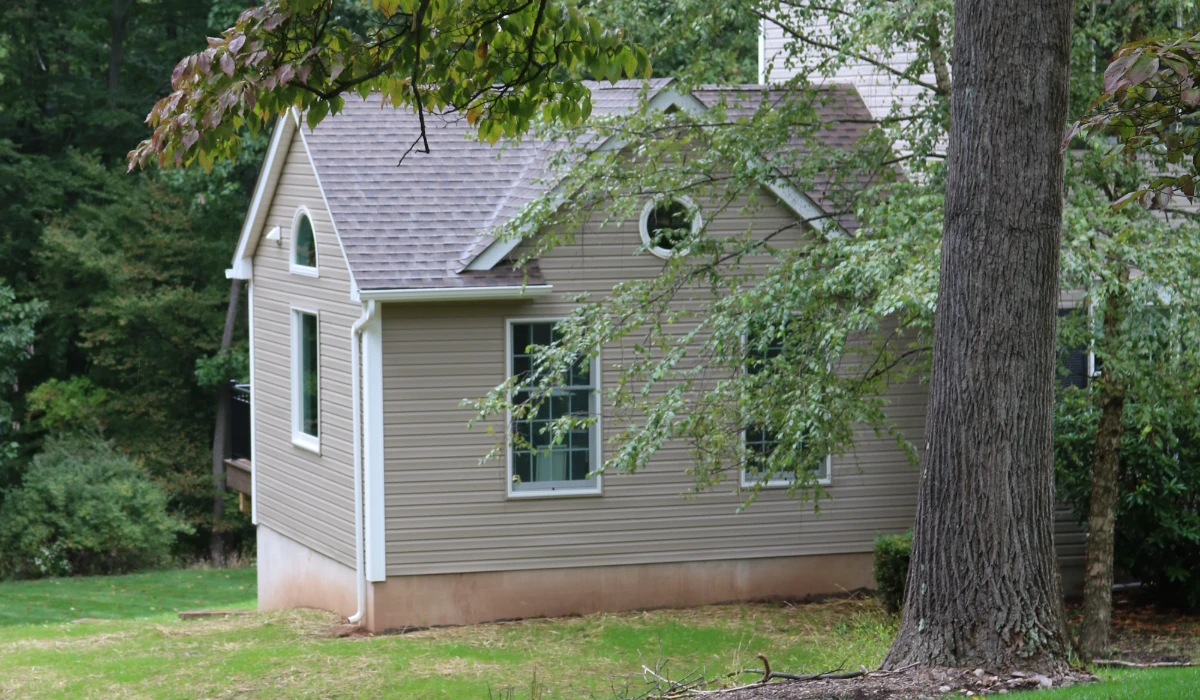
A home addition generally means any work that adds new usable space to your existing structure — for example, expanding a bedroom, adding a living room, or building a second-story. According to Hillsborough County’s Residential Single-Family Addition Requirements, these projects fall under the Building & Construction Services permitting rules. Hillsborough County+2Hillsborough County+2
If you are merely doing cosmetic updates (painting, flooring, shelving) or non-structural alterations, you may not need a full building permit. Hillsborough County
When a Permit Is Definitely Required
You will almost certainly need a permit if your project includes any of the following:
- Structural changes (adding walls, removing load-bearing elements)
- Expanding the footprint of the home (adding square footage)
- Moving or adding plumbing, electrical, HVAC systems
- Altering rooflines, floor levels, or foundations
- Enclosing a porch or converting open-air space into interior living
Hillsborough County’s guidelines for Single-Family Additions include checklist items such as site plan requirements, building plan review, structural design criteria, and more. Hillsborough County+1
What Does the Permit Process Look Like?
Here’s a high-level view of how the permitting process works in Hillsborough County:
- Pre-application & Planning – You or your contractor submit required documents (site plan, legal description, drainage/flood-plain info). Hillsborough County+1
- Apply via the HillsGovHub Portal – The county uses an online system for submittals. Hillsborough County+1
- Plan Review – Documents are reviewed for compliance with Florida Building Code, zoning, structural design, etc. Hillsborough County+1
- Permits Issued & Construction Begins – After fees are paid and permit issued, you can start construction.
- Inspections – County inspectors will check at various stages (foundation, framing, final) to ensure compliance.
- Final Approval / Certificate of Occupancy – Once everything meets codes, the project is approved for use.
Common Roadblocks & What to Watch
- Flood zones: If your property is in a special flood hazard area, extra documentation may be required. Hillsborough County
- Impact and mobility fees: Projects with new usable area may trigger additional fees. Hillsborough County
- Owner-builder restrictions: If you’re acting as your own contractor, there are additional disclosure requirements. Hillsborough County
- Work started without a permit: Starting construction before a permit is issued can lead to stop–work orders, increased costs, or citations. Hillsborough County+1
How ANM Contracting Makes It Easier
At ANM Contracting, we take the guesswork and frustration out of the process. We:
- Handle the permit submission and documentation
- Work with local authorities and inspectors on your behalf
- Keep your timeline on track while you focus on selecting design finishes
By trusting a local, licensed general contractor experienced with Tampa and Hillsborough County regulations, you avoid common pitfalls and delays.
Final Thoughts
If you’re thinking about a home addition in Hillsborough County, it’s best to assume you’ll need a permit unless you’re absolutely sure your work is purely cosmetic. Permitting protects your investment, ensures your renovation meets code, and avoids complications down the road.
Ready to move forward with your addition? Let’s talk about your vision and how we can streamline the permitting and build process in Tampa Bay.